


Boost your operational efficiency. Let ODIN show you the way.
At ODIN, we partner with you to implement seamless and reliable facilities services that deliver measurable improvements to your business. Find out how we can help.

Looking for something specific? Reach out to our team to discuss your exact requirements. We’re here to help and advise.
Insights 12th August 2025

Legionella, a bacterium that is often overlooked in our built environment, poses severe risks capable of transforming a seemingly benign office building or industrial facility into a source of serious illness.
For businesses, understanding these risks, fulfilling legal obligations and implementing robust prevention strategies, including crucial Legionella testing, is fundamental to safeguarding the health and safety of employees, customers and the wider public.
Legionella is a genus of bacteria naturally found in freshwater environments like lakes and streams. However, it becomes a concern for human health when it contaminates artificial water systems, where it can multiply rapidly, especially in warm, stagnant conditions. The most well-known species, Legionella pneumophila, is responsible for Legionnaires’ disease.
Legionnaires’ disease is a severe form of pneumonia that can be fatal. It is contracted by inhaling small droplets of contaminated water containing the bacteria. It cannot spread from person to person. Symptoms can include a high fever, chills, cough, muscle aches and headaches.
In some cases, gastrointestinal symptoms like nausea, vomiting and diarrhoea can also occur. The incubation period is typically 2 to 10 days but can be longer. A milder, non-pneumonic form of the infection, known as Pontiac fever, can also occur, presenting with flu-like symptoms but without pneumonia.
Legionella can colonise and spread within an array of water systems commonly found in workplaces. Any system that creates or disperses water droplets at temperatures between 20°C and 45°C is a potential breeding ground. This includes:
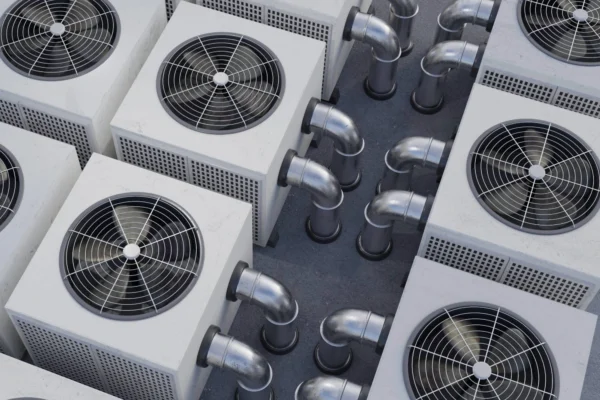
The key factor is the presence of stagnant water and suitable temperatures. Biofilms, slimy layers of microorganisms that can form on surfaces within water systems, also provide a protective environment for Legionella to thrive.
While anyone can contract Legionnaires’ disease, certain individuals are more susceptible to developing severe illness if exposed to Legionella bacteria. In a work environment, these higher-risk groups include:
Businesses must be particularly vigilant if their workforce includes individuals from these at-risk groups, as the potential consequences of an outbreak can be more severe.
For businesses, the management of Legionella is a legal requirement. In the UK, the Health and Safety at Work etc. Act 1974, the Control of Substances Hazardous to Health Regulations 2002 (COSHH) and the Approved Code of Practice (ACOP) L8 place a clear duty on employers and facilities managers to identify and assess the risk of Legionella.
A comprehensive Legionella risk assessment is essential for effective Legionella management. This assessment must:
Legionella testing is a critical component of a complete Legionella management plan and can provide early warning of potential contamination. While a risk assessment determines where and how risks exist, Legionella testing confirms the presence and quantity of the bacteria.
Typically, Legionella testing involves water sample collection by trained professionals within the at-risk water systems. This includes points of stagnation, areas where temperatures are conducive to growth, and points of aerosol generation.
The collected samples are then sent to accredited laboratories for analysis. The laboratory results are then interpreted against established guidelines and regulatory limits. The presence of Legionella above certain thresholds indicates a need for immediate action, such as disinfection of the system, further investigation and review of control measures.
All testing results, along with any remedial actions taken, must be meticulously documented as part of the Legionella management plan in order to demonstrate compliance and effective risk management.
It’s important to note that Legionella testing should be carried out periodically, especially after system modifications, prolonged periods of inactivity or if an increase in risk factors is identified. Regular Legionella testing provides peace of mind and proactive protection.
The risks associated with Legionella in the workplace are significant, impacting both the health of individuals and the operational integrity of businesses. However, with a clear understanding of the bacteria, diligent risk assessments and regular Legionella testing, these risks can be effectively managed.
Businesses have a moral and legal obligation to protect their employees and the wider public from preventable diseases. For those struggling to navigate the complexities of Legionella compliance, professional support is imperative.
We provide thorough Legionella (L8) monitoring and risk assessment services, specifically designed to help organisations meet their legal obligations and ensure a safe environment. Our expertise in identifying potential hazards, developing bespoke control plans and conducting Legionella testing offers reliable protection against a serious health threat.
By taking proactive steps and partnering with us, you can protect public health and uphold your responsibilities as a business or facilities manager. Contact us today for more information on how we can help.
At ODIN, we partner with you to implement seamless and reliable facilities services that deliver measurable improvements to your business. Find out how we can help.
